
Sundarban private tour crafted for quiet wonder – Moments that feel deeply personal
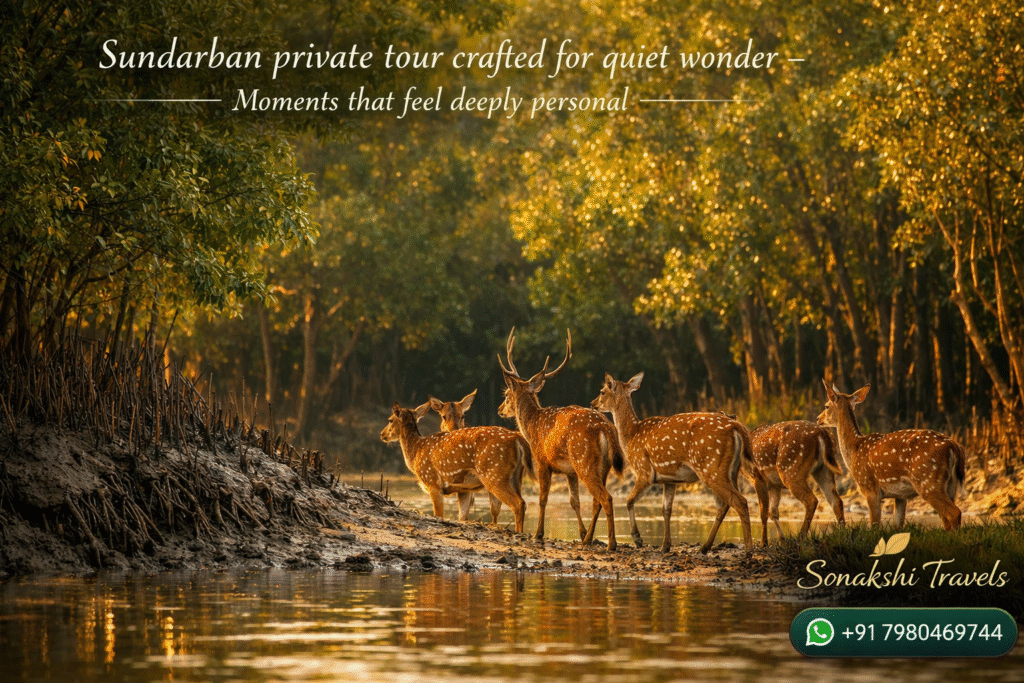
There are journeys that impress the eye, and there are journeys that stay in the heart. A Sundarban private tour belongs to the second kind. It does not depend on noise, rush, or crowded excitement. Its real value comes from quiet wonder. It is shaped by soft light over tidal water, the slow movement of a boat through narrow creeks, the distant sound of birds, and the strange peace that rises when a traveler feels close to a living landscape. In such a setting, the experience becomes deeply personal. The forest does not speak loudly, yet it leaves a lasting impression.
This is why many thoughtful travelers now prefer a private journey over a standard group trip. A private tour in the Sundarban gives space for silence, observation, and emotional connection. It allows a person to notice details that might otherwise disappear inside a louder schedule. The changing color of the river at dawn, the mist resting over the mangrove line, and the feeling of being gently carried through a world shaped by tides can turn a simple journey into a meaningful memory. That sense of intimacy is beautifully suggested in a Sundarban private tour where rivers breathe mist and dawn arrives wrapped in quiet, because that phrase captures the true emotional tone of this kind of travel.
Why a private journey changes the meaning of the Sundarban
The Sundarban is not a destination that reveals itself quickly. It is a tidal forest. It shifts with light, water, weather, and time of day. A traveler who enters it with patience receives a richer experience. That is why a private boat tour changes the meaning of the visit. It removes the feeling of being hurried from one point to another. Instead, it gives a slower rhythm. That rhythm matters. In the Sundarban, understanding often begins in stillness.
On a group tour, a person may enjoy the sights and still miss the deeper feeling of the place. The forest is seen, but not fully absorbed. On a private tour, the journey becomes more attentive. The traveler can stand quietly on deck without interruption. The guide can adjust the pace according to the mood of the river and the interests of the guests. A family can share moments together without outside distraction. A couple can sit in silence and simply watch the water change. A solo traveler can experience the rare pleasure of being alone with landscape, thought, and sky.
That difference is not small. It turns tourism into presence. It changes the trip from something consumed into something felt. In the Sundarban, where the atmosphere itself is part of the experience, that change is profound.
The emotional power of quiet wonder
Quiet wonder is not empty silence. It is a form of attention. It happens when the mind becomes calm enough to receive what is around it. The Sundarban creates this feeling naturally. There is no mountain drama, no city brightness, and no loud display. Instead, there is water moving through roots, open sky above tidal channels, and mangrove shadows stretching across the edge of the river. These elements work slowly on the mind. They create a kind of inward stillness.
That inward stillness is one of the strongest reasons why a personalized Sundarban experience feels so different from ordinary travel. The private setting allows people to respond honestly to what they see. Some travelers feel peace. Some feel awe. Some feel a soft sadness at the fragile beauty of such an ecosystem. Others feel gratitude, as if the landscape has allowed them to witness something ancient and delicate. The emotional response differs from person to person, but the private form of travel gives each person room to experience it fully.
In this sense, the finest part of the journey is not always a dramatic sighting. Sometimes it is simply a moment that arrives without warning: the first breath of cool dawn air, the reflection of clouds on still water, or the slow passing of a fishing boat in the distance. These moments are small in scale, yet large in feeling. They become personal because they are not forced. They happen naturally, and they stay long after the journey ends.
Where rivers breathe mist and the morning feels alive
The given page slug carries a beautiful image: rivers breathing mist, dawn wrapped in softness. This is not a decorative phrase. It matches the true mood of the Sundarban in the early hours. Morning in this delta is unlike morning in most other places. The air often feels moist and cool. A pale mist can hover over the river surface. The mangrove line appears half hidden, half revealed. Light comes slowly, not suddenly. The world seems to wake in layers.
On a luxury private tour or a carefully arranged quiet river safari, dawn becomes one of the most memorable parts of the experience. At that time, the usual noise of ordinary life is absent. There are no city sounds, no crowded roads, and no harsh interruptions. The traveler becomes aware of simpler sounds: a bird call, the movement of water under the boat, the rustle of leaves touched by morning air. Such a scene does not ask for conversation. It asks for presence.
This is why many well-designed private itineraries give special value to the dawn hours. Not because it sounds poetic in writing, but because the early morning atmosphere carries the essence of the place. To understand the Sundarban fully, one must not only see it in daylight. One must also witness that hour when the river seems to breathe and the forest appears to rise gently from mist. That mood is central to this quiet vision of a Sundarban private tour, and it is exactly what makes the journey feel intimate rather than ordinary.
Personal space creates personal memory
Travel becomes memorable when it touches feeling. Personal memory is built not only from places, but from the conditions in which those places are experienced. A crowded environment often breaks the emotional thread. A private environment protects it. That is one of the deepest advantages of a Sundarban private package. It creates the conditions in which memory can grow quietly and honestly.
Imagine watching the evening light fade over a wide river with only your chosen companions near you. Imagine a meal served after a slow day on the water, when conversation is natural and unforced. Imagine sitting on the deck before sunrise, with a warm drink in hand, while the forest line begins to appear through morning haze. These are not flashy moments. Yet they are the kind people remember for years. They feel personal because the experience has not been diluted by crowd pressure or hurried movement.
For families, this privacy allows a more meaningful shared experience. Children ask questions. Parents observe more carefully. The family creates its own rhythm. For couples, the quiet becomes deeply valuable. The landscape provides a rare setting where conversation can become softer and more sincere. For older travelers, the slower pace brings comfort and dignity. For photographers and nature lovers, the freedom to wait, watch, and absorb detail makes the journey far richer.
In every case, the personal nature of the setting shapes the memory. The journey does not feel mass-produced. It feels held, observed, and lived from within.
The role of design in a truly quiet private tour
A peaceful journey does not happen by accident. It depends on good planning. A well-crafted private Sundarban tour is not only about booking a separate boat or private stay. It is about designing the experience in a way that protects quiet wonder. That means balancing comfort with simplicity, movement with rest, and sightseeing with unstructured time.
If the itinerary is too packed, the emotional quality of the place is lost. If it is too empty, the journey may feel directionless. The best private tours maintain a thoughtful balance. They include meaningful river movement, time near the important watchtower zones or forest channels, and enough pauses to let the environment be felt rather than rushed through. A strong private itinerary also respects the natural limits of the ecosystem. It does not promise control over wildlife or force artificial excitement. Instead, it allows the forest to remain what it is: unpredictable, subtle, and alive.
Comfort also matters, but in a measured way. Good food, a clean boat, careful service, and a calm resting place support the emotional quality of the journey. They remove stress and allow attention to remain on the landscape. In this way, comfort becomes useful not as luxury display, but as quiet support for deeper experience.
Why the Sundarban rewards sensitive travelers
Some places reward speed. The Sundarban rewards sensitivity. It responds best to travelers who are willing to slow down and notice fine details. A change in current, a break in the mangrove line, a sudden flock of birds, a deer on the distant edge of land, or the warning silence that sometimes settles over a channel—all these details matter. They may seem small at first, but together they form the living character of the forest.
A nature-focused private tour makes these details easier to receive. Without crowd noise and without the fixed emotional mood of a large group, the traveler becomes more open to subtle impressions. This is especially important in the Sundarban because the landscape is not built around constant spectacle. Its beauty is layered. It unfolds through patience.
That is why many intelligent travelers find the journey more moving than they expected. They may arrive hoping to see a famous forest. They leave carrying something more difficult to explain: a felt sense of space, fragility, rhythm, and quiet beauty. The private format helps this transformation happen because it gives the mind room to absorb what the place is offering.
Deeply personal moments often come without warning
The most meaningful parts of a journey are often not the ones written in bold on an itinerary. They arrive unexpectedly. In the Sundarban, such moments are everywhere for those who travel with care. A guide lowers his voice because the creek ahead feels active. Everyone becomes still. A kingfisher flashes over the water and disappears. The light changes after a cloud passes, and suddenly the whole river shines. A quiet lunch on board tastes better because the mind has been calmed by hours of water and wind.
These are deeply personal moments because they are not identical for every traveler. Each person receives the landscape differently. One traveler may remember the first view of dawn mist. Another may remember the silence before sunset. Someone else may remember the feeling of drifting through a narrow creek where roots seemed to rise directly from the water. The private structure of the tour allows such moments to remain whole. They are not broken by unnecessary noise or hurry.
Seen in this way, a quiet Sundarban escape is not only a travel plan. It is a condition in which personal meaning can appear. That is rare in modern travel, where so much is designed for speed, display, and instant reaction. The Sundarban offers another kind of value. It offers depth.
The private tour as a form of respectful travel
A well-managed private journey can also encourage a more respectful relationship with the landscape. Respect begins when travelers understand that the Sundarban is not merely a scenic backdrop. It is a sensitive mangrove ecosystem shaped by tides, wildlife movement, climate, and human livelihood. A private tour, when properly arranged, can help people engage with this environment more thoughtfully.
Because the group is smaller and the pace is calmer, the guide can explain the ecology with more care. Guests can ask real questions. They can understand why certain channels matter, why tides shape movement, and why silence has value not only for people but also for wildlife observation. This transforms the journey from passive sightseeing into mindful travel.
That mindful quality strengthens the personal aspect of the experience. The traveler does not feel like a consumer passing through. The traveler feels like a witness. This shift is important. It brings humility into the journey. It reminds the visitor that beauty is not something to be dominated. It is something to be approached with care.
In this respect, the idea behind a private Sundarban journey shaped by mist, river breath, and dawn stillness expresses more than mood. It expresses the right attitude. The landscape should be entered quietly, observed carefully, and remembered gratefully.
Why this kind of travel stays with people longer
Fast travel often creates quick excitement and quick forgetting. Deep travel works differently. It becomes part of a person’s inner memory. A Sundarban private tour crafted for quiet wonder often stays with people longer because it touches more than sight. It involves mood, atmosphere, body rhythm, emotional attention, and personal reflection. The journey enters memory through many layers at once.
Long after the trip ends, travelers may not remember every route or every hour. But they remember how the place felt. They remember the soft wet air at dawn. They remember the calm of sitting on deck with no need to speak. They remember the strange beauty of a forest that stands between land and water. They remember how private time in that landscape changed their sense of the journey.
This is why the private format is not simply a premium choice. In the Sundarban, it is often the more truthful one for travelers who seek depth, calm, and emotional connection. It allows the landscape to enter the human mind in its own quiet way. That is not a small benefit. It is the heart of the experience.
A journey shaped by silence, softness, and meaning
In the end, the greatest strength of a Sundarban private tour lies in its ability to make travel feel personal again. It restores attention. It protects silence. It gives value to moments that would be lost in a louder setting. It allows the river, the mist, the mangroves, and the slow arrival of dawn to become more than scenery. They become part of lived feeling.
For travelers who want more than movement, more than checklists, and more than surface-level sightseeing, this kind of journey offers something rare. It offers room to feel wonder without performance. It offers a direct and quiet relationship with a remarkable landscape. Most importantly, it creates moments that feel deeply personal because they are experienced with care, privacy, and presence.
That is what makes such a journey memorable. Not the number of sights counted, but the depth of feeling carried home. In a world full of fast impressions, the Sundarban still has the power to give something slower, softer, and more lasting. A private tour, thoughtfully crafted, is the form that allows that gift to be fully received.