Sundarban Ilish Utsav 2026 Experience – What makes this festival unforgettable
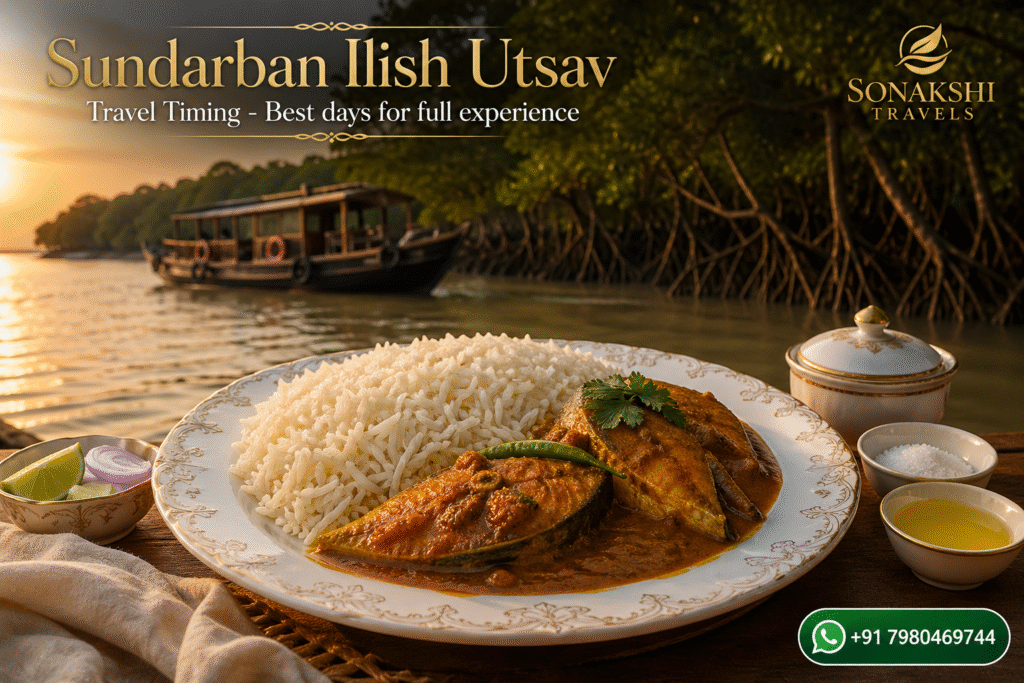
The Sundarban Ilish Utsav 2026 is unforgettable because it is not only a food celebration. It is an experience shaped by river silence, mangrove rhythm, seasonal taste, boat life, and the emotional depth of the delta. Here, hilsa is not treated as an ordinary fish. It becomes a cultural memory, a monsoon emotion, and a reason to slow down inside one of the most atmospheric river landscapes of Bengal.
In the Sundarban, every experience feels closely connected with water. The river is not a background element. It controls movement, sound, smell, mood, and even the pace of the meal. During the Sundarban ilish utsav 2026, this river-based life becomes more noticeable. The festival feels special because the taste of ilish comes together with the visual presence of creeks, boats, mudflats, mangrove edges, and distant village life.
Why the Experience Feels Different in the Delta
The charm of the Sundarban ilish utsav lies in the setting. In a normal restaurant, hilsa is served as a dish. In the Sundarban, it is experienced as part of a larger natural rhythm. The boat moves gently, the river widens and narrows, and the smell of cooked mustard, fried hilsa, or steamed fish mixes with the moist air of the delta.
This creates a deep sensory connection. The sound of the engine, the call of birds, the movement of tidewater, and the slow passing of mangrove banks prepare the mind before the food arrives. The meal is not separate from the journey. It becomes part of the river movement. This is one major reason why the festival remains memorable long after the journey ends.
For many guests, the experience is also emotional. Hilsa is strongly connected with Bengali identity, family meals, monsoon memories, and festive dining. When this familiar taste is placed inside the wild and quiet beauty of the Sundarban, it gains a new depth. The known flavour meets an unknown landscape.
The Role of Silence, Movement, and River Atmosphere
The Sundarban has a rare kind of silence. It is not empty silence. It is full of small sounds. Water touches the boat. Leaves move in the wind. Birds call from hidden branches. Sometimes a fishing boat passes at a distance. During the Sundarban hilsa festival, this silence makes the dining experience more powerful.
Food tastes different when the mind is calm. Research on sensory experience shows that environment affects how people remember taste, smell, and emotion. In the Sundarban, the quiet river setting helps visitors become more aware of each flavour. The sharpness of mustard, the softness of steamed hilsa, the warmth of rice, and the freshness of the meal feel more complete because the surroundings are peaceful.
The movement of the boat also adds meaning. Unlike a fixed dining space, the festival experience keeps changing. One moment, the boat may pass a wide river channel. Another moment, it may move beside dense mangrove banks. This continuous movement creates a living frame around the meal. The experience never feels static.
Hilsa as a Cultural Memory
Hilsa is more than a seasonal delicacy in Bengal. It carries memory, family tradition, and emotional value. Many people remember hilsa through home kitchens, special lunches, rainy afternoons, and festive gatherings. The Sundarban hilsa festival 2026 becomes unforgettable because it respects this cultural feeling while placing it inside a river journey.
The festival does not need excessive decoration to become meaningful. Its strength comes from simplicity. A well-cooked hilsa meal, served close to the river landscape, can create a stronger memory than a heavily arranged event. The emotional value comes from authenticity.
Visitors often remember small details: the first smell of cooked ilish, the soft sound of plates on the boat, the view of river water beside the dining area, and the relaxed feeling after the meal. These details are simple, but they stay in memory because they are connected with place, taste, and emotion at the same time.
Ecological Feeling Behind the Festival
The Sundarban is a living ecological system where rivers, tides, mud, mangroves, fish, birds, and people remain closely connected. The festival becomes more meaningful when visitors understand this connection. The ilish experience is not isolated from nature. It belongs to a wider river culture.
The mangrove landscape teaches patience. Nothing here feels rushed. Water rises and falls with the tide. Boats move according to channels. Village life follows river timing. This natural rhythm influences the whole festival. The meal becomes part of a slow ecological atmosphere rather than a fast tourist activity.
This is why the Sundarban Ilish Utsav feels different from urban food festivals. It is not only about variety on a plate. It is about understanding how food, river, season, and landscape can come together in one experience.
The Human Side of the Festival
The festival also has a strong human side. Boat staff, cooks, local hosts, and river communities all contribute to the experience. Their work creates comfort in a landscape that is naturally remote and sensitive. A good festival experience depends on care, timing, cleanliness, cooking skill, and the ability to maintain calm hospitality on water.
This human effort is often quiet, but it is important. When a meal is served smoothly on a moving boat, it reflects coordination. When guests feel relaxed, it reflects thoughtful hosting. When food arrives fresh and warm, it reflects preparation. These small details make the experience feel personal.
A trusted Sundarban travel agency understands that this festival is not only about arranging food. It is about preserving the mood of the journey. The service should never disturb the natural feeling of the place. It should support the experience gently.
Why Private Experiences Feel More Intimate
For some travellers, the festival becomes more memorable when experienced in a private setting. A Sundarban private tour allows guests to enjoy the river, food, and atmosphere with more personal space. The mood becomes quieter. Conversations become easier. The meal feels more connected with the group’s own pace.
An exclusive Sundarban private tour can make the festival feel less crowded and more reflective. In a landscape like the Sundarban, privacy often improves observation. Guests can watch the water, listen to the surroundings, and enjoy the food without hurry.
A Sundarban private boat tour is especially suitable for travellers who value silence and comfort. The boat becomes a moving dining space, a viewing platform, and a peaceful shelter at the same time. This combination makes the ilish experience feel more complete.
The Taste Experience: Simple, Deep, and Seasonal
The unforgettable quality of the festival depends greatly on taste. Hilsa has a distinct flavour profile. It is rich, delicate, oily, aromatic, and deeply satisfying when cooked with care. During the festival, common preparations may highlight mustard, steaming, frying, light spices, or traditional Bengali cooking styles. The important point is balance.
Good hilsa does not need unnecessary complication. The fish itself has a strong identity. The best preparations allow its natural richness to remain clear. This simplicity matches the Sundarban environment. The river landscape is powerful, but not loud. In the same way, the best ilish meal is rich, but not overdone.
Eating hilsa in the delta also changes the way visitors perceive freshness and seasonality. The meal feels connected to place. It does not feel like food removed from its context. This place-based connection is one of the strongest reasons why the Sundarban Ilish Utsav 2026 becomes a lasting memory.
The Visual Memory of the Festival
The visual beauty of the festival is quiet and natural. There may be no need for artificial glamour. The strongest images are simple: river light on water, cooked hilsa served with rice, green mangrove lines in the distance, wooden boats moving slowly, and guests sitting together in a relaxed mood.
These visuals create a documentary-like memory. The experience feels real because it is rooted in place. The Sundarban does not need to be heavily decorated to look beautiful. Its beauty comes from texture, space, water, and natural rhythm.
This is also why the festival works well for meaningful travel storytelling. The images are not only about food. They show relationship: between people and river, between culture and ecology, between taste and memory.
How the Festival Deepens the Meaning of Sundarban Travel
A well-designed Sundarban tour can show the landscape, but the ilish festival adds another layer. It gives visitors a cultural and emotional way to connect with the delta. Instead of only seeing the Sundarban, guests also taste and feel it.
This matters because travel is remembered through the senses. A river view may be beautiful, but when it is connected with food, smell, conversation, and silence, it becomes more powerful. The festival turns the journey into a full sensory experience.
For guests choosing a Sundarban travel package, the festival can become the emotional centre of the journey. It gives the trip a clear identity. The memory is not only “we visited the Sundarban.” It becomes “we experienced hilsa in the heart of the river landscape.”
Luxury, Comfort, and the Feeling of Ease
A Sundarban luxury tour can make the festival experience more comfortable without changing its natural character. Comfort matters because it allows guests to relax deeply. Clean dining arrangements, calm service, careful food handling, and private space help visitors focus on the atmosphere.
The value of a Sundarban luxury private tour is not only in premium arrangements. Its true value lies in peacefulness. When comfort is handled properly, guests can give more attention to the river, the food, and the mood of the festival.
This balance is important. The Sundarban should not feel over-managed or artificial. The best experience keeps the raw beauty of the delta alive while giving guests a sense of ease and care.
Why the Festival Stays in Memory
The Sundarban hilsa festival stays in memory because it brings together several powerful elements. It has taste, place, silence, culture, ecology, and emotional familiarity. Each element supports the other.
The river gives the setting. The mangroves give depth. The boat gives movement. The hilsa gives cultural meaning. The silence gives emotional space. Together, they create an experience that feels complete.
Many travel experiences are forgotten because they feel rushed or disconnected. This festival is different because it slows the visitor down. It asks the guest to observe, taste, listen, and feel. That slow involvement makes the memory stronger.
The Sundarban ilish utsav 2026 is unforgettable because it is not built only around food. It is built around atmosphere. It allows travellers to experience hilsa in the place where river life, seasonal emotion, and mangrove silence meet naturally.
Its beauty lies in its simplicity. A quiet boat, a slow river, a warm plate of ilish, and the green edge of the delta can create a deeper impression than any loud celebration. The festival becomes meaningful because it respects both taste and place.
For travellers who want to feel the Sundarban through culture, food, silence, and river rhythm, this experience offers something rare. It is not only a meal. It is a memory shaped by water, flavour, and the timeless mood of the mangrove delta.